
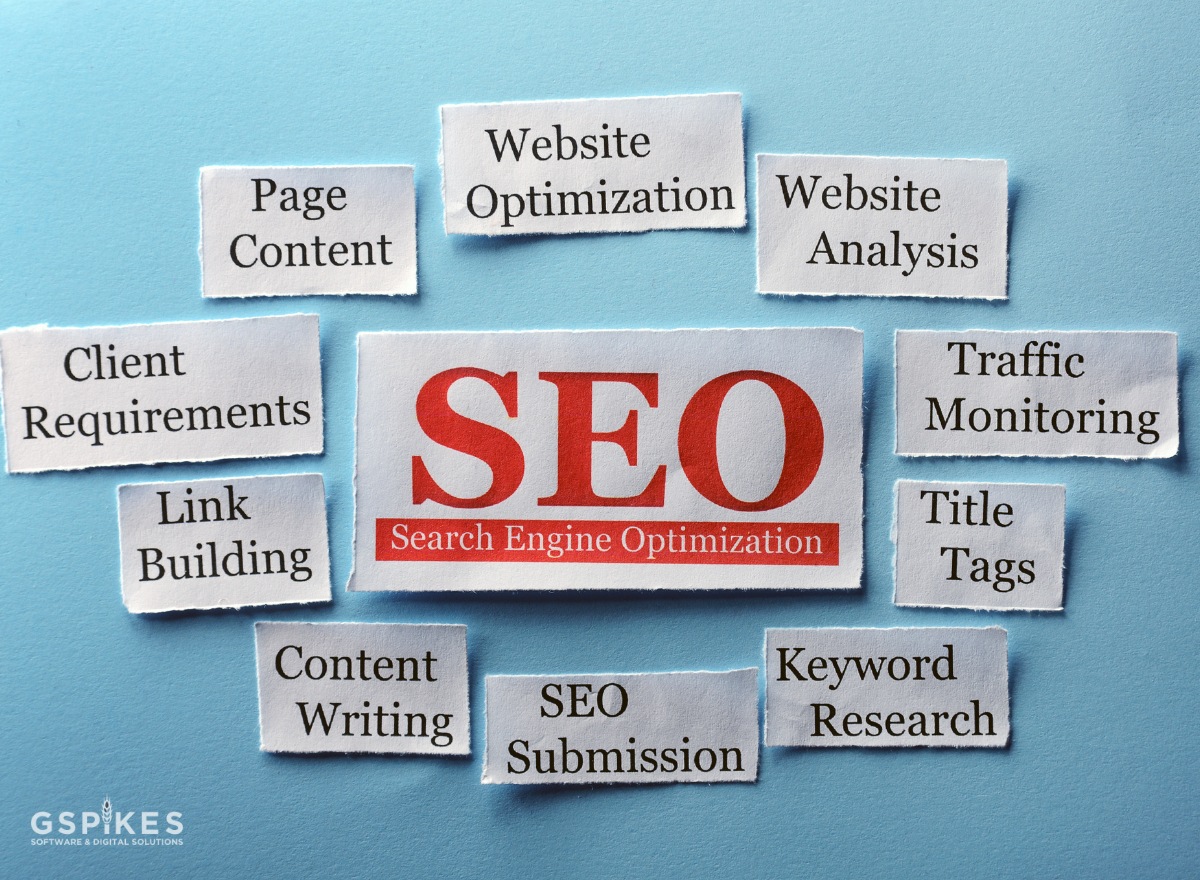
Our tailored Shopify SEO packages are designed to grow your business online. From solopreneurs to enterprise-level businesses, I can help. Each of these packages covers the keyword research needed to identify what it is your customers are searching.
On-page SEO ensures search engines can easily locate and understand your website. In-depth content creation will get you more of the right visitors and improve your search visibility. You can also select packages that include more technical SEO to optimize your site’s speed and mobile-friendliness.
You further receive tiered link building to boost your site’s authority. My approach is to work with you and select the mix of services that best meets your goals and budget. We look forward to getting more people in your shop and more sales in your pocket.
Keep reading to find out what the right package is for your shop.
Here are the essential Shopify SEO strategies you need to know to improve your Shopify store’s SEO.
- Shopify SEO drives growth by enhancing search engine visibility, attracting high-intent shoppers, and building brand authority, ultimately leading to increased online sales and revenue. If building a profitable business is your goal, you need to invest in Shopify SEO.
- Elevate the customer experience to turn traffic into lifelong patrons of your brand. Enhance SEO of product descriptions and browsing/shopping experience to foster consumer trust and credibility. By concentrating on these key parts, you’ll be sure to build an army of loyal customers who’ll keep coming back to your store.
- To work around platform-specific constraints, use Shopify apps and integrations. Make custom code your best friend, and make sure to keep up with Shopify’s feature developments and the latest SEO practices. By taking advantage of these tools, there is a real opportunity to increase your visibility, drive more traffic, and grow brand awareness.
- Establish specific goals and targets. From there, do a full SEO audit to identify where you excel, where you lack, and where you have the most opportunity to improve. This will enable you to prioritize with precision and maximize your impact on SEO success.
- You can optimize on-page elements crucially by using compelling product descriptions, optimizing images with alt tags, and leveraging advanced schema markup. Regardless, all of these custom Shopify SEO package tactics will improve your search engine rankings and consequently drive more traffic to your Shopify website.
- Track the most important performance metrics that matter to measure your SEO impact. Align your SEO strategies with revenue objectives and dive deeper into analytics and reporting to boost your performance. By tracking these metrics, you’ll be able to prove the value of all your SEO investments.
Why Shopify SEO Drives Growth
Shopify SEO should be your go-to traffic driver, sales increaser, and revenue growth accelerator—it literally pays for itself. It helps to optimize the way your products show up in search results, sometimes resulting in rich snippets that increase your click-through rates.
An effective Shopify SEO strategy boosts your brand authority and builds customer loyalty. By optimizing your website so it’s more accessible and appealing to search engines such as Google, you’ll drive more traffic and improve sales.
Attract High-Intent Shoppers Now
Shopify SEO attracts shoppers who are already looking for a product, giving your store’s visitors a better chance of making a purchase. Effective keyword research allows you to find the most relevant keywords that will bring customers with purchase intent straight to your store.
Natively optimized product pages and great storytelling invite qualified and targeted search traffic. By improving search engine rankings for highly relevant keywords, they consistently attract high-quality, relevant visitors to your site.
Convert Visitors Into Loyal Customers
Shopify SEO improves the overall experience, so it’s easier for all the people visiting the site to find what they need and convert. Relevant, meticulously optimized product descriptions paired with compelling, professional visuals convert shoppers to buyers.
A simple, enjoyable shopping experience reinforces immediate purchases, and repeat purchases build brand allegiance and loyalty over time. By establishing trust and authority, Shopify SEO can help convert visitors into loyal customers.
Boost Sales Through Organic Traffic
Once Shopify SEO starts driving organic search growth, you’d be surprised how fast you cut most of your dependence on paid ad traffic. A smart, well-executed content marketing strategy will help bring consistent, high-quality organic traffic to your Shopify website.
Since better search engine rankings mean more online sales over the long term, this is an investment that pays dividends. Thus, Shopify SEO offers an affordable and effective solution to drive sales and expand your reach.
Enhance Your Store’s User Experience
Shopify SEO not only enhances your site navigation and structure, but can help customers find what they need in turn. When site speed is optimized and the site is mobile responsive, the entire shopping experience improves.
Shopify automatically serves images in WebP format. Created by Google, WebP provides better overall compression and saves more than 30% on file size compared to JPEG and PNG formats. Concise product descriptions and high-quality images draw customers in and help them make confident purchasing decisions.
Build Lasting Brand Authority
The more you can deliver consistent content that serves the user’s needs and keeps them engaged, the more authority you’ll build for your brand. Combined with high search engine rankings and great customer reviews, SEO drives trust and credibility, which in turn fuels growth.
Establishing a comprehensive online presence helps solidify brand recognition in the customer’s mind, leading to customer loyalty and brand loyalty. By optimizing key elements of each webpage, like page titles and meta descriptions, you help search engines understand your Shopify store better.
Unique Shopify SEO Hurdles
Shopify offers an incredibly robust platform for e-commerce, but with that comes unique and specific SEO hurdles. Soon enough, you’ll discover that strange platform limitations and technical quirkiness are getting in the way of your search engine optimization efforts. Increased competition among very saturated niches creates a heavy barrier to entry in terms of visibility.
Overcoming these specific challenges with a tailored SEO approach is imperative for e-commerce success.
Overcoming Platform Specific Limits
Some hurdles come from the platform, but you can still SEO your Shopify site. Make use of Shopify apps and other native integrations to deepen your competitive edge. For example, several apps help you manage meta descriptions and alt tags, which can be cumbersome within the Shopify interface.
Develop unique workarounds and custom code to solve unique SEO challenges. Keep your knowledge fresh with Shopify’s rapidly changing functionalities and general SEO practices.
Standing Out in Crowded Niches
These challenges can be overcome with comprehensive keyword research to find relevant niche-specific keywords and intent-based target audiences. You’ll be aiming for long-tail, low-competition keywords that will bring users deeper down the sales funnel.
Focus on building unique, valuable, helpful, or otherwise interesting content that will set your Shopify store apart from the competition. For example, thorough product descriptions and high-quality images are extremely important.
Create a powerful brand presence and unique customer loyalty to cut through the noise in competitive, saturated spaces. Use social media and other marketing channels to drive traffic to your store and keep customers coming.
Technical SEO Quirks Explained
You will face frequent technical SEO challenges on Shopify sites, such as duplicate content and site speed, which can impact your Shopify store’s ranking. Using custom product types may lead to SEO downsides, so limit yourself to one standard and one custom type.
How to Fix These Unique Shopify SEO Hurdles
Use Shopify’s built-in tools and a few third-party applications to solve these problems. Ensure your site structure, navigation, and internal linking are optimized to make it easier for search engines to crawl and index your pages.
Frequent, consistent audits are required to address broken links or 301 redirects, which ultimately cause a drop in your SEO. So be sure to always keep a pulse on technical SEO health to get the best performance from search engines.
Build Your Custom Shopify Strategy
Building any kind of Shopify strategy starts with customizing it to your unique business needs and objectives. With a clear narrative, effective SEO strategy fuels brand growth and e-commerce success. When you work with Shopify SEO specialists, you can develop and execute a tailored strategy.
In other words, our Shopify SEO services focus on the 20% that gets you 80% of the results. Collectively, we’ve spent the last few years perfecting methodologies that create traffic, grow revenue, and build businesses.
1. Audit Your Current SEO Health
Start by performing a full technical SEO audit to find strengths, weaknesses, and opportunities. Monitor metrics including search engine rankings, organic traffic, and conversion rates. Leverage SEO tools and website analytics to collect data and insights.
Prioritize SEO tasks according to audit findings and business goals.
2. Define Clear Business Objectives
Increase online sales by reaching a wider variety of clients. Improve both customer loyalty and brand authority.
Fifth, track progress and adjust goal-setting efforts accordingly. Make SEO performance approachable for stakeholders.
3. Find Profitable Customer Keywords
Conduct keyword research to determine high-profit keywords that’ll match up well with customer search intent. We know their target market is Googling. Leverage keyword research tools to gauge search volume and competition.
Develop a comprehensive keyword list targeting both broad and long-tail keywords. Keyword mapping terms to landing pages. Sure, ranking for a keyword with tons of search volume would bring in a flood of people.
4. Structure Your Store Logically
Provide intuitive navigation and site hierarchy for your users. Group products into logical categories and subcategories that reflect how customers search and shop online. Use internal linking to connect related pages.
Simplify your Shopify navigation structure.
5. Optimize On-Page Elements Crucially
Ensure title tags, meta descriptions, and header tags are optimized and include target keywords. Share keywords in the first part of your meta description, and keep it under 160 characters. Write product descriptions that sell.
Make sure to optimize image SEO, adding alt tags. Add schema markup to your site.
Tailor Packages To Business Needs
Customized Shopify SEO services focus on the individualized needs of small, medium, and enterprise-level businesses. The reality is that a one-size-fits-all approach doesn’t work, resulting in a costly use of time and money. By collaborating with a Shopify SEO company, you receive plans tailored specifically to your business needs, enhancing your Shopify store’s ranking.
This customized outreach fuels better results and increases your return on investment (ROI). At iMark, we devise a comprehensive Shopify SEO strategy that meets your store’s unique requirements. Our formula attracts qualified, ready-to-buy organic traffic to your website that converts, driving eCommerce success.
Take a closer look at our Shopify SEO services packages. We offer three scalable SEO packages designed to target your eCommerce goals and needs.
Why One-Size-Fits-All Fails
This is simply untrue, as varying SEO needs require different tailored packages depending on business size, industry, and localization. A one-size-fits-all SEO package won’t solve your unique challenges or take advantage of all your potential opportunities.
After all, a small downtown boutique selling handmade jewelry has a very different business model than a large national electronics retailer. An individualized SEO strategy is better suited to help you reach measurable business objectives.
We at iMark Infotech are passionate about building a cutting-edge developers team. This kind of tailored approach enables more flexibility and movement, allowing requirements to shift and adapt as business needs change.
Custom Plans for Startups
Building a successful Shopify SEO strategy starts with laying the right foundation to succeed and strategically investing in initial traffic. Crucial components of an SEO strategy are keyword research, on-page optimization, and content creation.
Low-cost or free search engine optimization tools and strategies get you the most bang for your buck. For example, focusing on long-tail keywords with lower competition can lead to quicker wins and drive initial traffic.
Monitor along the way and adapt as the business expands.
Scaling Strategies for Growth
Shopify SEO plans should personalize outreach while increasing orders and online traffic. Mid-size and large SEO plans often involve link building, content marketing, and technical SEO—all resource-intensive efforts.
Additionally, advanced SEO tools make it easier to analyze data and identify opportunities for improvement. Here at iMark, our campaigns are not only based on this belief, but they are structured to generate revenue from day one.
Develop a coalition of experts in SEO and scaling to operate and implement the strategy.
Niche-Specific SEO Adjustments
Shopify SEO packages need to account for the unique features and qualities unique to various industries and niches. Niche-specific keyword research helps you choose the right search terms to go after and who your target audience is.
Content that speaks to unique customer needs, priorities, and interests in the niche is essential. Amplify the message with social media and other marketing channels to make sure it gets in front of the target audience.
Our organic SEO strategy will improve your rankings on Google and other search engines. This strategy makes it easier for Google and other search engines to identify your site as an authority.
Key On-Site Optimization Tactics
Of course, you’d like your Shopify store to rank well in search results and get more daily visitors. To do this, you go in-depth on the most important on-site optimization tactics. These tactics involve optimizing your product pages, improving site speed, strengthening internal linking, ensuring Google indexes your key pages, and leveraging advanced schema markup.
When executed correctly, the fruits of on-site efforts drastically increase your chances of ranking in search engines and driving valuable traffic to your website.
Optimize Product Pages Powerfully
You can create well-optimized product descriptions that showcase the most important features and benefits of your products. Helping customers understand what sets your product apart clarifies why they should buy from you.
This means optimizing your e-commerce product images with alt tags and descriptive file names is just as important. For example, rather than naming an image “IMG_1234.jpg,” you would name it something like “blue-cotton-t-shirt.jpg.
You can implement schema markup to provide search engines with additional information about your products. Use customer review and ratings schema, as seen in Couplet Coffee, to instill trust and credibility with potential customers.
Speed Up Store Load Times
To help you identify both issues and opportunities, leverage Google’s PageSpeed Insights. Optimizing images through compression, sizing them correctly, and using the appropriate format can go a long way.
By taking advantage of browser caching, you can help lighten the load on your servers and speed up page load times. Use a content delivery network (CDN) to distribute your content across multiple servers, improving site speed for users worldwide.
Lazy loading postpones loading non-critical sections of a webpage until they are necessary, which improves load times for initial loads.
Strengthen Internal Site Linking
Internal linking helps you establish a hierarchy on your website by linking related pages together, making it easier for search engines to crawl. Well thought-out and intuitive site architecture allows customers and crawlers to easily navigate your website.
Link with anchor text that makes sense for the target keywords for each page. Don’t link too much, as excessive linking on a page can be frustrating and distracting for users.
Ensure Google Indexes Key Pages
You just have to generate and submit a sitemap to ensure search engines can properly index your Shopify website. Utilize Google Search Console to keep tabs on your indexing status and identify crawling or indexing issues.
Domain verification is crucial. Verify your domain so that Google can be confident that you own the website before it serves you. Repair broken links and redirect errors to facilitate search engine crawling.
You can modify your robots.txt file to block search engines from crawling pages that are not URL canonicalized.
Leverage Advanced Schema Markup
Adding schema markup is an excellent opportunity to give search engines deeper context about your Shopify site. There are many different schema markups like product schema, review schema, and organization schema.
Implementing schema markup not only boosts your search engine rankings but enhances your click-through rates. Check your schema markup and test your schema markup implementation to make sure you’ve done it all properly.
Content Marketing Beyond Blogs
Content marketing is more than just blogs. It’s a mix of content that draws in potential customers and increases revenue. Then, with a steady stream of smart content, we establish your brand’s authority and maintain customer loyalty.
Beyond blogs and other deliverables, we do ensure that your content marketing fits in nicely with the rest of your SEO and marketing strategies.
Create Compelling Collection Descriptions
Collection descriptions have to do more than convey the basic information. They have to hook the reader. To ensure this, we target the right keywords that will allow potential customers to discover your products.
Good descriptions highlight what makes your products unique and help customers make informed buying decisions. Readable, interesting content keeps visitors on your site longer, boosting the credibility of your entire website in the eyes of search engines.
Keep in mind that good SEO means that the customers who most want and need your products can find you easily. Instead of just calling them out “New Arrivals,” try something like “New Styles for Summer.” This method gets people’s attention and includes important keywords.
Develop Useful Buying Guides
Additionally, buying guides allow customers to conduct research and get background information to make confident decisions. We help consumers with common questions, product comparison and sales promotion.
Both types of guides go a long way in building trust and making your customers feel more confident in their buying decisions. The more helpful and compelling information you offer, the more time people will spend on your website.
This engagement helps you rank higher in search engines. When you have specialists create content with your brand, it’s more credible.
Craft Unique Product Storytelling
We engage customers on an emotional level with stories, creating connection and loyalty. Product stories—These can dive into the history, craftsmanship, or inspiration behind your products.
These narratives place your products in a competitive advantage and create a more memorable shopping experience. For instance, we’ll often talk about the process that went into creating a product or what inspired its design.
Measure Your SEO Impact
Or maybe you just want to know if your SEO efforts on your Shopify store are working. Understanding this can mean the difference between success and failure. Tracking key performance metrics, linking your SEO efforts to revenue, interpreting analytics, and reporting on results are critical to success.
This way, you can see what is working, what is not, and make smart choices to improve your online store’s performance.
Track Essential Performance Metrics
Measuring SEO impact begins with assessing your overall performance through essential metrics. Understanding how search engines operate is crucial, as it directly affects your Shopify store ranking and the organic traffic you receive. Your conversion rates will significantly influence the revenue generated from your e-commerce business.
Utilizing tools like Google Analytics can aid in gathering this valuable information. SEO tools, such as MozBar, are incredibly beneficial for quick Shopify SEO optimization analysis. Additionally, Google Ads Keyword Planner can help generate creative keyword ideas tailored for your shopify seo campaigns.
Consider using a free keyword research tool like Keyword.io for more keyword suggestions. By developing a dashboard to visualize your SEO impact, you can monitor your progress over time, allowing you to make informed decisions and strategically prioritize your SEO efforts for e-commerce success.
Connect SEO to Revenue Goals
The first step to measuring your SEO impact is this. If you’re a business oriented toward increasing your online sales, meeting a broader market is essential. Plus, creating brand awareness will further fuel your SEO efforts to achieve these goals.
Measure the revenue generated through organic traffic to tie it back to your SEO efforts. Measure the ROI. Return on investment is the key metric to determine if your SEO efforts are paying off.
By aligning SEO with revenue generation and demonstrating how SEO can help advance your business goals, SEO can be a powerful resource for business growth.
Understand Analytics and Reports
Leverage Google Analytics to monitor your site’s traffic, user engagement, and conversion performance. Leverage Google Search Console to monitor your performance on search engines and identify and resolve any issues.
Be sure to submit your sitemap to Google and Bing via Webmaster Tools. Customized reports to measure the impact of SEO on their chosen priority metrics and goals are important.
You can then use this data to understand what your customers are doing and optimize your SEO efforts. With Google processing more than 16.4 billion searches a day, you need to get your SEO on-point.
As marketers know, about 68% of all website traffic you can measure comes from search. Roughly 27.6% of all clicks go to the first position in Google.
Adapt To Evolving SEO Trends
Adapting to the fast-changing world of SEO is key to a store’s success in 2025 and beyond. To remain on top of your competition, you need to continually adapt to evolving SEO trends. These trends are always evolving and affect as much as half of all sites.
Read on to find out how you can stay ahead and ensure your Shopify store is always optimized.
Navigate Google Algorithm Shifts
You need to adapt to fast-evolving SEO trends. Don’t get caught sleeping – educate yourself on how Google algorithm updates could affect Shopify websites. It’s important to adapt your SEO strategies to keep in compliance with Google’s evolving best practices and guidelines.
It’s a good idea to track your search engine rankings and traffic in case you suffer a negative impact due to an algorithm update. If you do identify a problem, alter your search engine optimization strategy to regain the lead and maintain a competitive edge.
Stay Ahead of Competitors
The process of carrying out a competitive analysis will shine a light on competitors’ strengths and weaknesses. With the help of SEO tools, you can monitor their SERP positions.
When you plan and execute internal links intelligently, you increase your store’s internal visibility. Continuously tracking performance and adjusting based on data will make sure you’re in front in 2025.
Integrate Local SEO Effectively
If you want to reach customers in your area, making local SEO a part of your program is non-negotiable. That means adding local search terms to your Shopify store where relevant.
Finally, make sure you claim and optimize your Google My Business profile. By getting more customers to leave reviews, you’ll give your local search rankings a massive lift.
Conclusion
That’s it—you’re ready to start boosting your Shopify store with SEO. You discovered how to craft a customized plan that works for you. You learned how to optimize your site to prepare search engines to scan your site. Or you figured out how to produce content that consistently attracts new customers.
I collaborate closely with you to develop a customized plan that’s right for your business. You know that you won’t be over-charged or pay for “agency overhead.” Not only will you attract a wider audience, but you’ll have more visitors engaging with your store. You’ll be selling products like hotcakes.
Contact me to discuss how I can make your Shopify store more profitable. Get in touch with me today, and we can start creating a plan!
Frequently Asked Questions
What makes Shopify SEO different?
Shopify SEO has its own unique challenges, such as duplicate content due to product variations and a white URL structure, which necessitates comprehensive Shopify SEO strategies to address these inherent platform restrictions.
Why is SEO important for my Shopify store?
Search engine optimization is crucial for attracting organic visitors, leading to greater visibility and brand awareness, ultimately boosting sales for your Shopify business through effective Shopify SEO strategies.
How can I tailor an SEO package to my business?
Custom packages enable us to consider your niche, target audience, current website performance, and budget, ensuring you only invest in the most effective Shopify SEO services that drive results for your e-commerce business.
What are the key on-site SEO tactics for Shopify?
Pay attention to essential Shopify SEO strategies like relevant keywords, page speeds, and mobile responsiveness, as these elements enhance search engine rankings and user experience.
What content should I create besides blog posts?
Supplement your content strategy with product videos, client testimonials, and interactive social media posts, which are essential Shopify SEO strategies that diversify your reach and strengthen your brand.
How do I measure the success of my Shopify SEO?
Track organic traffic, keyword rankings, and conversion rates to measure your e-commerce success. Utilize free tools like Google Analytics and Google Search Console to monitor your shopify seo strategies and track your progress.
How often should I update my Shopify SEO strategy?
SEO is a highly dynamic field, with frequent algorithm updates. To ensure e-commerce success, continue to periodically do due diligence and adjust your shopify seo strategies to outpace the pack and keep your site firing on all cylinders.


